

Sustainable Living: 7 Easy Swaps for a Greener Lifestyle in 2025
The climate crisis is no longer a distant threat—it’s the reality we’re living in. But here’s the empowering truth: every single choice we make matters. While systemic change is crucial, the collective impact of individual actions creates ripples that can turn into waves of transformation. Sustainable living isn’t about perfection; it’s about progress. It’s about making conscious choices that align with our values and contribute to a healthier planet for future generations.
If you’ve been wanting to embrace a more eco-conscious lifestyle but feel overwhelmed by where to start, you’re not alone. The good news is that sustainable living doesn’t require a complete life overhaul or a massive budget. Small, intentional swaps in your daily routine can significantly reduce your environmental footprint while often saving you money in the long run. In 2025, as we stand at a critical juncture for our planet, these simple changes matter more than ever.
This guide will walk you through seven practical, budget-friendly swaps that make sustainable living accessible to everyone. Each change is designed to be easy to implement, impactful for the environment, and beneficial for your wallet and wellbeing. Let’s explore how you can make 2025 your greenest year yet.
Understanding the Impact: Why Sustainable Living Matters in 2025
Before diving into specific swaps, it’s worth understanding why these changes matter. Global waste production continues to rise, with the average person generating over 4 pounds of trash daily. Much of this waste—plastic packaging, single-use items, synthetic materials—persists in landfills and oceans for hundreds of years, harming ecosystems and wildlife.

The fashion industry accounts for significant carbon emissions and water pollution. Our food systems contribute to deforestation and greenhouse gases. The products we use daily often contain harmful chemicals that affect both environmental and human health. These aren’t abstract problems—they’re urgent challenges affecting air quality, water systems, and climate stability right now.
However, consumer demand drives market trends. When we choose sustainable alternatives, we send powerful signals to manufacturers and retailers. We vote with our dollars for a cleaner, healthier future. The sustainable living movement has gained remarkable momentum, with more eco-friendly options available in 2025 than ever before. This is our moment to make choices that truly count.
Swap #1: Reusable Water Bottles and Coffee Cups
The Problem: Americans alone use approximately 50 billion plastic water bottles annually, with only 23% being recycled. Disposable coffee cups, despite appearing paper-based, are typically lined with plastic that makes them non-recyclable. These single-use items contribute massively to landfill waste and ocean pollution.
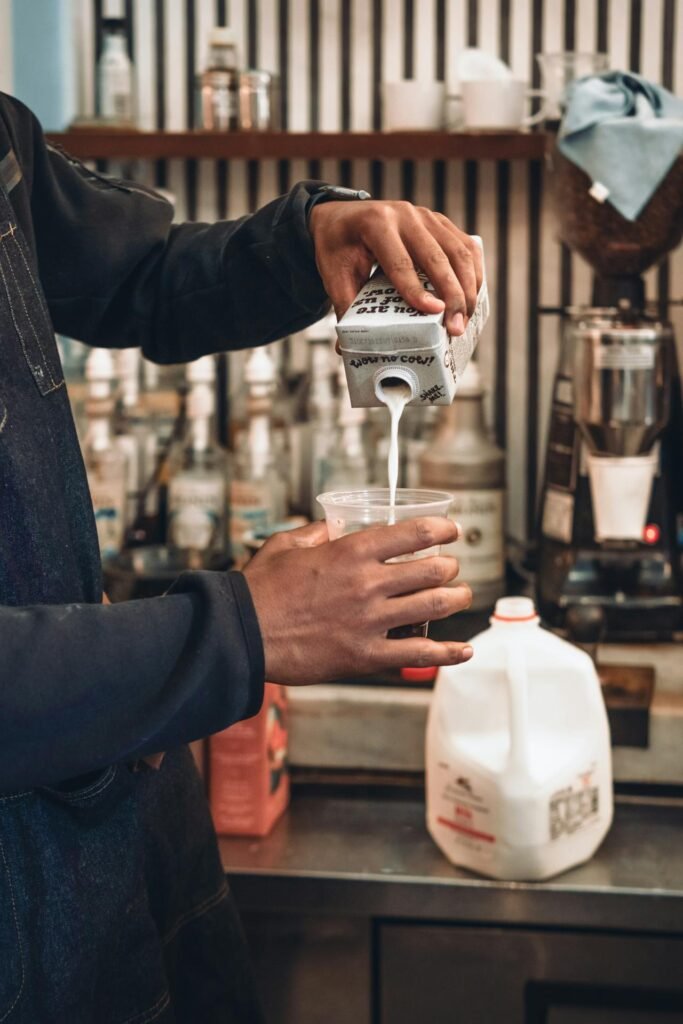
The Solution: Invest in a high-quality reusable water bottle and coffee cup. Stainless steel options keep beverages at desired temperatures for hours, while glass and BPA-free plastic versions offer lighter alternatives.
The Impact: A single reusable water bottle can replace thousands of disposable bottles over its lifetime. Most coffee shops offer discounts for bringing your own cup—typically 10-25 cents per drink. Over a year of daily coffee runs, that’s $36-91 in savings, meaning your reusable cup pays for itself quickly.
Making It Easy: Keep bottles in strategic locations—one in your car, one at your desk, one in your bag. Many modern water bottles are dishwasher safe and designed to fit in cup holders. Set a reminder on your phone until bringing reusable cups becomes second nature.
Bonus Tip: If you forget your cup, choose to drink your coffee at the café using their ceramic mugs rather than getting a disposable cup to-go. This small mindfulness practice reinforces your sustainable living commitment.
Swap #2: Cloth Shopping Bags and Produce Bags
The Problem: Plastic bags are used for an average of just 12 minutes but persist in the environment for up to 1,000 years. They clog waterways, harm marine life, and break down into microplastics that enter our food chain. Globally, we use over one trillion plastic bags annually.
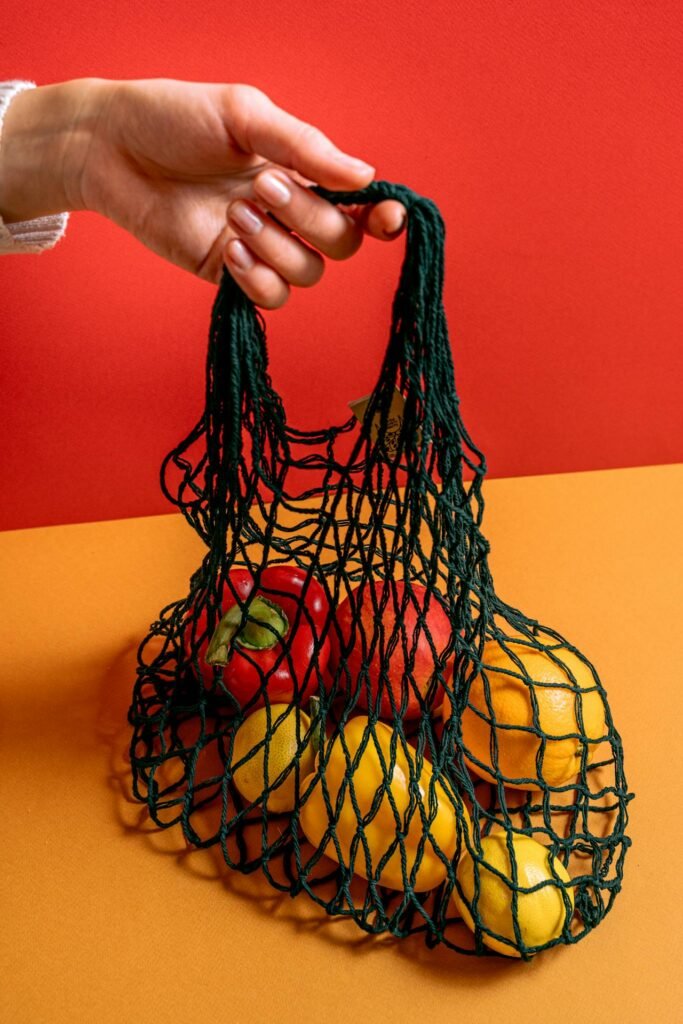
The Solution: Replace plastic bags with reusable cloth shopping bags and lightweight mesh produce bags. Many retailers sell attractive, durable options, or you can even sew your own from old t-shirts or fabric scraps.
The Impact: A sturdy reusable bag can replace hundreds of plastic bags. If every person in America used one less plastic bag per week, we’d save approximately 16 billion bags yearly. Cloth bags are also stronger, more comfortable to carry, and can hold more weight than plastic alternatives.
Making It Easy: Store folded bags in your car, hang them by your door, or keep compact versions in your purse or backpack. Many bags now fold into attached pouches, making them incredibly portable. Put a reminder note on your steering wheel or set a phone alert before grocery trips until the habit solidifies.
Beyond Groceries: Use these bags for farmers markets, bulk bin shopping, library books, gym clothes, and beach trips. The versatility makes them one of the most practical sustainable living swaps you can make.
Swap #3: Sustainable Food Storage Solutions
The Problem: Plastic wrap, aluminum foil, and disposable plastic bags create enormous waste. Americans throw away enough aluminum foil annually to cover the entire state of Texas. Single-use plastics leach chemicals into our food and take centuries to decompose.
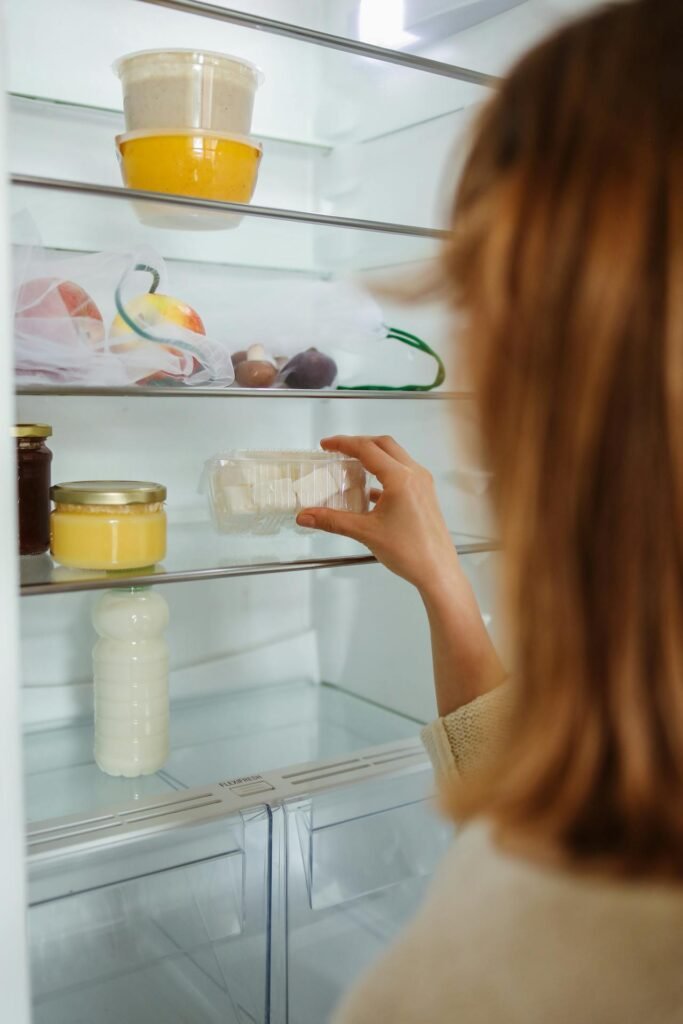
The Solution: Switch to beeswax wraps, silicone storage bags, and glass containers. Beeswax wraps are washable, reusable, and naturally antibacterial. Silicone bags can be used in the freezer, microwave, and dishwasher. Glass containers are non-toxic, don’t retain odors, and last for years.
The Impact: One beeswax wrap can replace up to 200 uses of plastic wrap. Silicone bags eliminate the need for hundreds of disposable plastic bags. Glass containers never need replacing unless broken, while plastic containers degrade, discolor, and eventually end up in landfills.
Making It Easy: Start by replacing items as you run out rather than buying everything at once. Many people begin with a set of silicone bags for sandwiches and snacks, then gradually add beeswax wraps and glass containers. Look for second-hand glass containers at thrift stores to save money.
Cost Consideration: While initial investment is higher, these items last for years. Calculate the annual cost of disposable alternatives—the sustainable options typically break even within 6-12 months and then provide years of continued savings.
Swap #4: Eco-Friendly Personal Care Products
The Problem: The beauty and personal care industry generates enormous plastic waste—120 billion units of packaging annually. Many products also contain microplastics, harmful chemicals, and ingredients tested on animals. These substances wash down drains into water systems, affecting aquatic ecosystems.
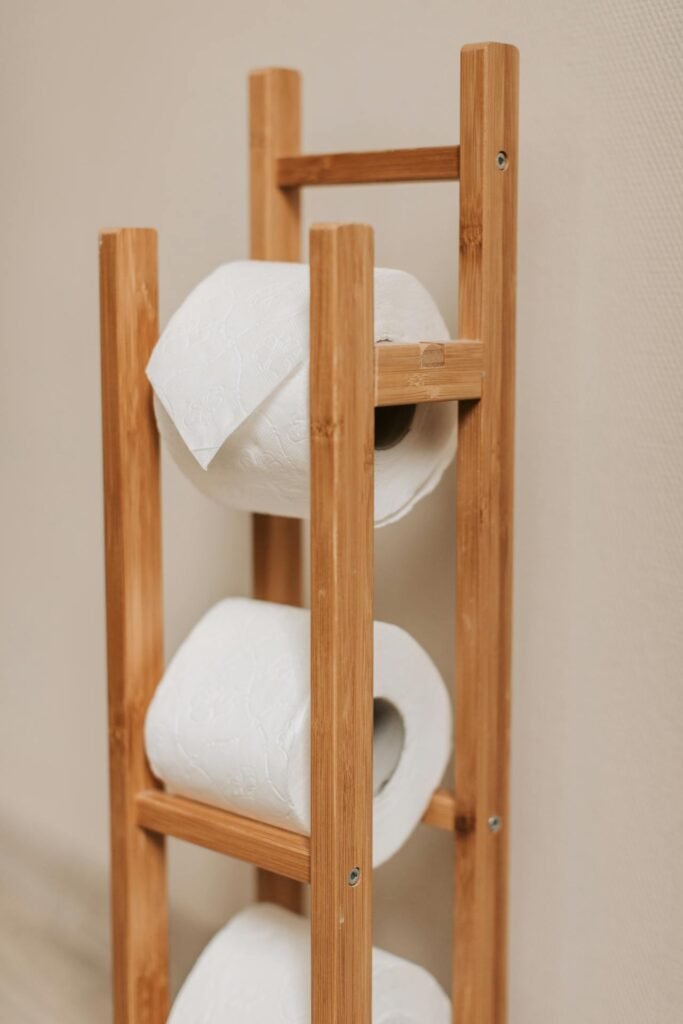
The Solution: Transition to package-free or sustainably packaged alternatives. Bar shampoo and conditioner eliminate plastic bottles entirely. Bamboo toothbrushes biodegrade naturally unlike plastic versions that persist for 400+ years. Refillable deodorant, toothpaste tablets, and safety razors offer plastic-free options for daily essentials.
The Impact: Switching to bar shampoo alone can prevent 6-8 plastic bottles from entering landfills annually per person. A single safety razor with replaceable blades can last decades, eliminating thousands of disposable razors. These swaps significantly reduce bathroom waste while often using cleaner, more natural ingredients.
Making It Easy: Change one product at a time to avoid overwhelming yourself. Finish current products before replacing them—sustainable living includes not being wasteful with what you already own. Research brands carefully, reading reviews to find quality options that work for your needs.
Product Recommendations: Look for certified B-Corp companies, products with minimal packaging, and brands transparent about ingredient sourcing. Many sustainable personal care items are now available at mainstream retailers, making them increasingly accessible.
Swap #5: Sustainable Fashion Choices
The Problem: Fast fashion is one of the world’s largest polluters, contributing to 10% of global carbon emissions. The industry uses massive amounts of water, creates textile waste, and often involves exploitative labor practices. The average person throws away 81 pounds of clothing annually.

The Solution: Embrace slow fashion principles: buy secondhand, choose quality over quantity, support ethical brands, and care for clothes to extend their lifespan. Thrift shopping, clothing swaps, and rental services offer fresh wardrobe options without environmental cost.
The Impact: Extending a garment’s life by just nine months reduces its carbon, water, and waste footprint by 20-30%. Buying one secondhand item instead of new reduces carbon emissions by an average of 25%. When we shift our purchasing patterns, we directly impact industry practices.
Making It Easy: Before buying new, always check secondhand options first—online platforms make this easier than ever. Implement a “one in, one out” rule: for every new item, donate or sell something existing. Learn basic mending skills through YouTube tutorials to repair items rather than replacing them.
Sustainable Living Style: Curate a capsule wardrobe of versatile, high-quality pieces you genuinely love. This approach reduces decision fatigue, saves money, and ensures every item gets worn regularly. Quality pieces from ethical brands may cost more initially but last significantly longer than fast fashion equivalents.
Swap #6: Energy-Efficient and Low-Waste Cleaning
The Problem: Conventional cleaning products contain harsh chemicals harmful to health and environment. The packaging creates plastic waste, and the production process generates significant carbon emissions. Many cleaning agents pollute waterways when washed down drains.
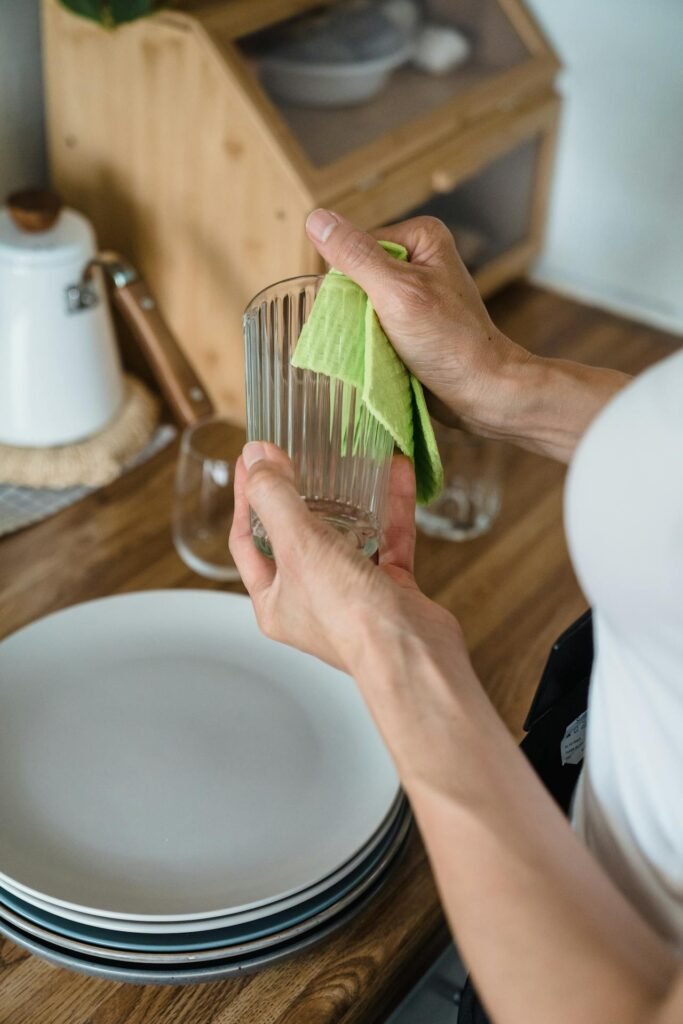
The Solution: Switch to concentrated cleaning products, refill systems, or DIY cleaning solutions using simple ingredients like vinegar, baking soda, and castile soap. Use reusable cleaning cloths instead of paper towels and disposable wipes.
The Impact: Making your own cleaners costs pennies compared to conventional products and works just as effectively for most household tasks. Switching from paper towels to cloth reduces waste dramatically—Americans use 13 billion pounds of paper towels annually. Refill systems cut packaging waste by up to 90%.
Making It Easy: Start with one DIY cleaner—an all-purpose spray works for most surfaces. Mix equal parts water and white vinegar in a spray bottle, adding a few drops of essential oil for scent. Cut old t-shirts or towels into cleaning rags. Many stores now offer refill stations for laundry detergent, dish soap, and multipurpose cleaners.
Health Benefits: Natural cleaning solutions reduce indoor air pollution and chemical exposure, particularly important for households with children, pets, or family members with sensitivities. Your home will be just as clean without the harsh chemical smell or potential health risks.
Swap #7: Mindful Digital Consumption
The Problem: While digital activities seem intangible, they have real environmental impacts. Data centers consume approximately 3% of global electricity, and email storage, streaming, and cloud computing all contribute to carbon emissions. Electronic waste from constantly upgrading devices creates toxic disposal problems.

The Solution: Practice digital minimalism and sustainable tech habits. Unsubscribe from unnecessary emails, delete old files and photos, stream at lower resolutions when high definition isn’t necessary, and extend device lifespans through proper care and repairs rather than frequent upgrades.
The Impact: Deleting 30 emails saves enough energy to power a light bulb for 24 hours. Choosing standard definition over HD streaming can reduce data usage by 80%. Keeping your smartphone for one additional year instead of upgrading reduces its lifetime emissions by 30%.
Making It Easy: Set aside 15 minutes monthly for digital decluttering. Unsubscribe from promotional emails you never read. Back up important files to a physical hard drive instead of cloud storage. Choose “eco mode” or lower resolution settings on streaming services. Buy refurbished electronics when replacements are necessary.
Sustainable Living Online: Support digital platforms and creators who prioritize environmental issues. Participate in online communities focused on sustainability for inspiration, tips, and accountability. Use your digital presence to amplify eco-conscious messages and encourage others on their sustainable living journey.
Making Sustainable Living Sustainable: Tips for Long-Term Success
Embracing sustainable living is a marathon, not a sprint. Here are strategies to ensure your eco-friendly habits stick:
Start Small: Choose one or two swaps to implement fully before adding more. Mastering a few changes creates momentum and confidence for additional transitions.
Avoid Perfectionism: Sustainability isn’t about being perfect—it’s about being better. Don’t throw away functional items just to buy eco-friendly replacements. Use what you have, then choose sustainable options when replacements are genuinely needed.
Track Your Progress: Notice the positive changes—less trash, lower utility bills, improved health. Celebrating wins reinforces your commitment and motivates continued effort.
You may also like: How to Create a Cozy Home Spa Day on a Budget
Build Community: Connect with others pursuing sustainable living. Online forums, local groups, and social media communities provide support, ideas, and encouragement. Sharing the journey makes it more enjoyable and sustainable.
Educate Yourself: Stay informed about environmental issues and solutions. Knowledge deepens commitment and helps you make increasingly informed decisions.
Practice Self-Compassion: You’ll forget your reusable bags sometimes. You’ll occasionally choose convenience over sustainability. That’s human. What matters is your overall trajectory and willingness to keep trying.
The Ripple Effect: Your Impact Matters
When you choose sustainable living, you’re not just reducing your personal environmental footprint—you’re influencing everyone around you. Your choices spark conversations, inspire curiosity, and give others permission to make changes too. You demonstrate that sustainable living is achievable, not extreme or impossible.
As more people adopt eco-friendly practices, markets respond with more sustainable options at better prices. Policy makers notice shifting priorities. Companies adjust practices to meet consumer demand. Your individual actions contribute to collective transformation.
In 2025, we have unprecedented access to sustainable alternatives and growing awareness of environmental urgency. We also have the power to choose differently—to align our daily actions with our values and our hopes for the future.
Conclusion: Your Sustainable Living Journey Starts Now
Sustainable living in 2025 doesn’t require heroic sacrifices or perfect execution. It requires intention, mindfulness, and a willingness to make better choices when possible. These seven swaps—reusable bottles and bags, sustainable food storage, eco-friendly personal care, conscious fashion, green cleaning, and mindful digital consumption—offer accessible entry points into a more environmentally responsible lifestyle.
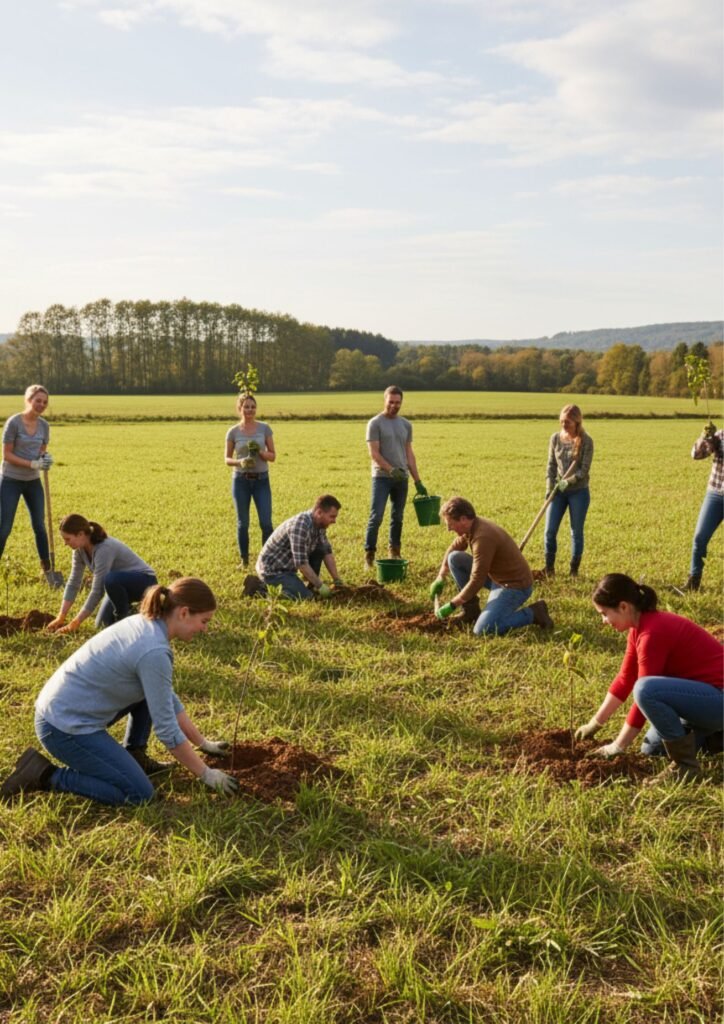
Each swap reduces waste, lowers your carbon footprint, and often saves money. More importantly, each choice affirms your commitment to protecting our planet and creating a healthier future. The path to sustainable living is built one decision at a time, one swap at a time, one day at a time.
As you implement these changes, remember that your efforts matter. Every plastic bottle refused, every secondhand purchase, every email deleted contributes to positive change. You’re part of a growing movement of people who believe we can do better and are willing to act on that belief.
The question isn’t whether individual actions make a difference—it’s whether we’re willing to try. In 2025, let’s answer with a resounding yes. Your sustainable living journey begins today, and the planet thanks you for taking these important steps toward a greener, healthier future for all.